

Early childhood programmes can play a crucial role in strengthening brain development alongside health and nutrition
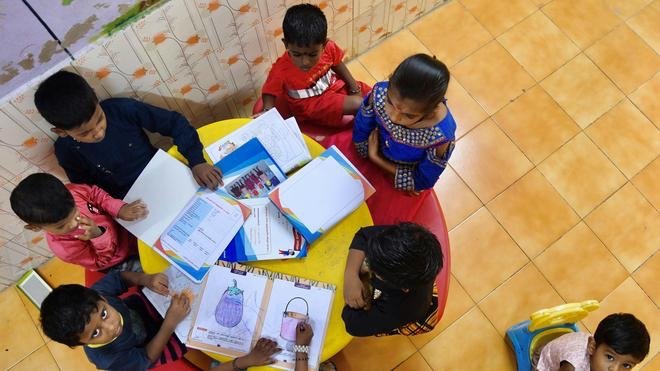
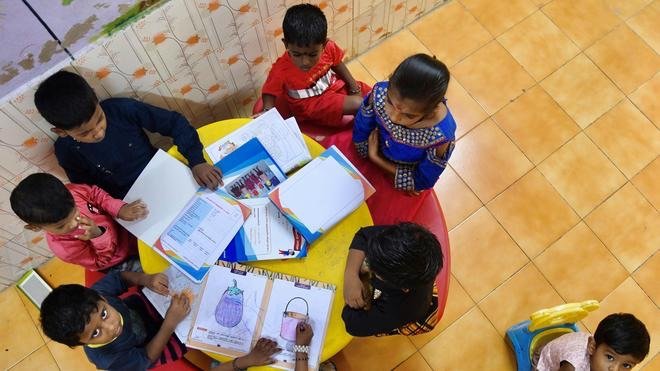
India has a significant opportunity to improve the cognitive abilities of future generations by placing greater emphasis on early childhood brain development through the country’s extensive Anganwadi network.
Over the years, India’s child welfare efforts have primarily focused on reducing infant and child mortality, improving nutrition, expanding immunisation coverage, and ensuring better sanitation. These initiatives have produced notable results, with child survival rates improving steadily across the country.
The Anganwadi system has been at the forefront of these efforts, reaching nearly eight crore children below the age of six through services such as supplementary nutrition, health check-ups, growth monitoring, and guidance for parents. The programme also supports families through counselling sessions and home visits aimed at promoting healthy child development.
Experts, however, point out that physical growth and brain development are closely interconnected during the early years of life. While nutrition and healthcare remain essential, equal attention to cognitive stimulation, responsive caregiving, early learning, and emotional support can significantly influence a child’s intellectual and developmental outcomes.
Strengthening these aspects within Anganwadi centres could help children develop better learning abilities, communication skills, and problem-solving capacities from a young age. Policymakers and child development specialists believe that a more holistic approach to early childhood care can contribute to improved educational outcomes and long-term social and economic progress.
With its vast reach across rural and urban communities, the Anganwadi system is well positioned to become a powerful platform for nurturing both the physical and cognitive development of India’s youngest citizens.